The AI-First Ardoq Has Arrived
CEO and founder Erik Bakstad on why Ardoq's graph foundation is what makes its AI trustworthy, what launched in May 2026, and the roadmap ahead.
Enterprise Architects are being asked to do two things at once: use AI to work faster, and govern AI, so the business doesn't get burned by it. This hub covers both.
Explore our research, practitioner guides, and customer stories to see what AI-first EA looks like in practice.

/Photos/Customers/primark-logo.png?width=100&height=13&name=primark-logo.png)


/Logos/Customers/ITV-Symbol-small.svg)
/Logos/Customers/smartestenergy%20logo-160px.png?width=120&height=18&name=smartestenergy%20logo-160px.png)



/Logos/Customers/Munich_Airport_text_logo_120px.png?width=100&height=38&name=Munich_Airport_text_logo_120px.png)
/Logos/Customers/veolia-120px.png?width=110&height=28&name=veolia-120px.png)
/Logos/Customers/eventim-logo-120px.png?width=100&height=29&name=eventim-logo-120px.png)
/Logos/Customers/stuttgart-airport-120px.png?width=100&height=29&name=stuttgart-airport-120px.png)

Ardoq's AI agents handle an estimated 40% of routine EA work, from data collection and mapping to querying and quality checks, so architects can focus on the decisions that actually require their judgment. Here's what's available now.
CEO and founder Erik Bakstad on why Ardoq's graph foundation is what makes its AI trustworthy, what launched in May 2026, and the roadmap ahead.
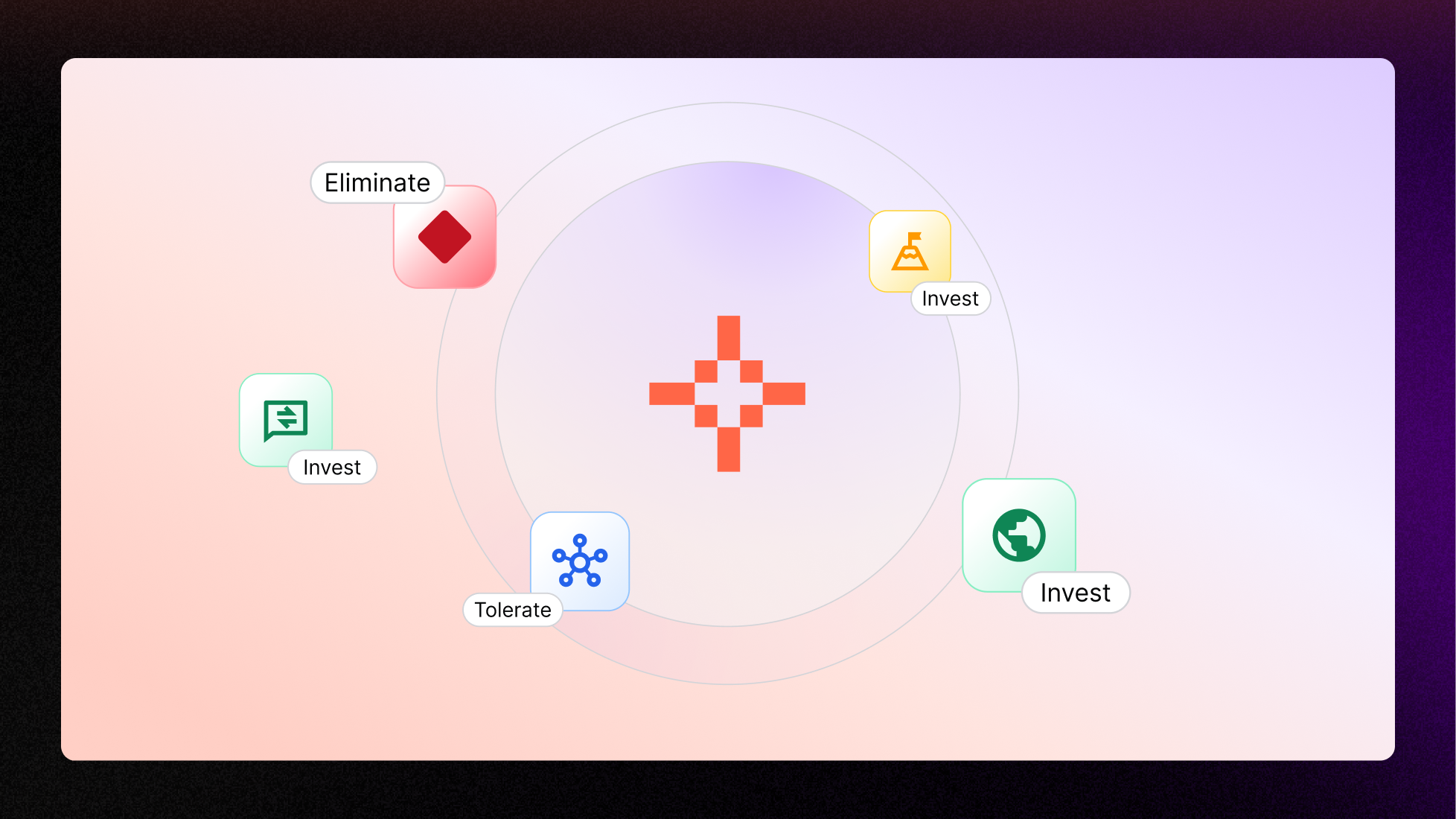
Custom Agents, the Omnipresent AI Assistant, and AI Import Builder are now live. This is the full picture of what launched in Spring 2026: what each agent does, what it automates, and why grounding agents in a live architecture graph is what makes them trustworthy.
/Logos/Ardoq/Events/Jumpstart/Main%20Tile%20(1).png)
A live demo showing how AI-driven process modeling converts existing process documentation into a structured, navigable digital twin. No manual re-entry, no starting from scratch.
.png)
Ardoq is the first EA platform to ship MCP to general availability, meaning AI agents can now query, reason on, and act within your live architecture graph directly.
/Logos/Ardoq/Events/Jumpstart/march-ea-webinar-watch-now.jpg)
Tenneco is building six AI agents embedded in Microsoft Teams Copilot via Ardoq's MCP Server. Estimated ROI: 292%. Time saved: 1.25 FTE. This is what AI-first EA looks like in practice.
As AI democratizes building and analysis, the risks of poorly governed architecture multiply. We get into why enterprise-grade EA becomes more critical as AI proliferates, not less, and why DIY tooling is a trap that gets more expensive to escape the longer you stay in it.
Gartner maps the EA capabilities gaining traction in 2026: outcome-driven metrics that connect EA to board-level results, AI-augmented EA tooling, and automated governance. Essential reading for EA leaders making the case to their CIO this year.
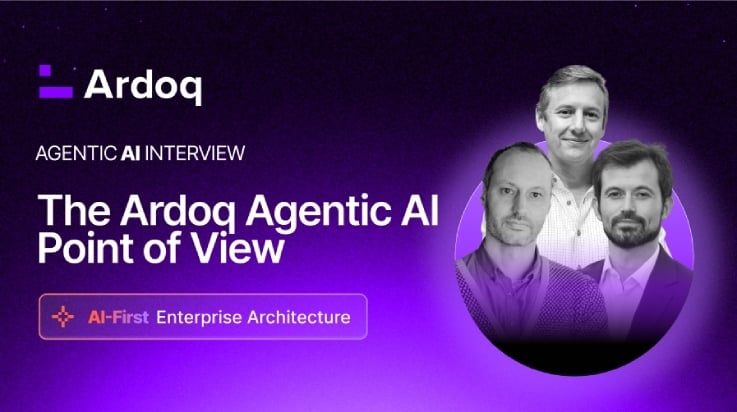
Ardoq's VP of Applied Research and Product Strategy Jason Baragry, Director of AI Jarand, and VP of Product Mario discuss what agentic AI actually means for EA: the technical reality behind the hype, and where the discipline goes from here.
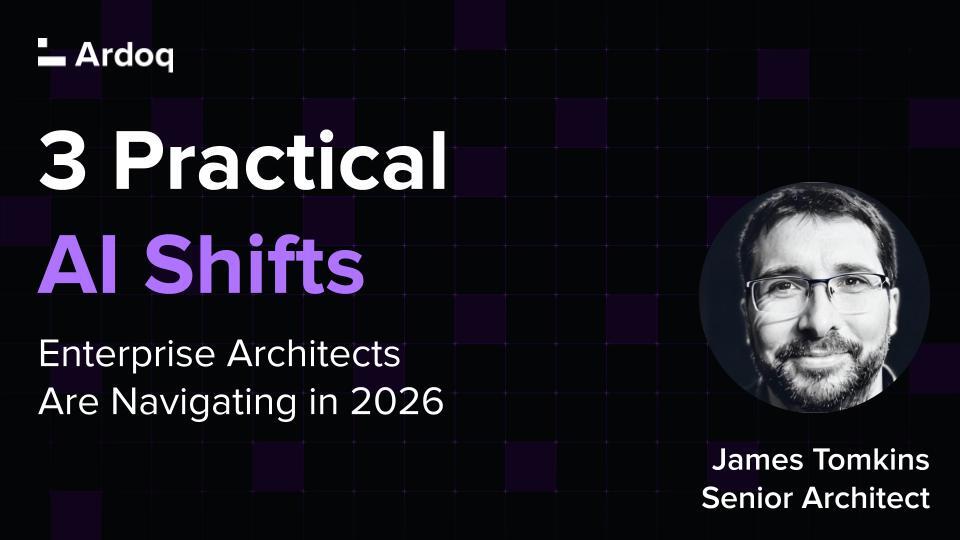
A quick overview of the three structural shifts in AI every EA leader needs on their radar, and what they mean for how EA teams position themselves internally.
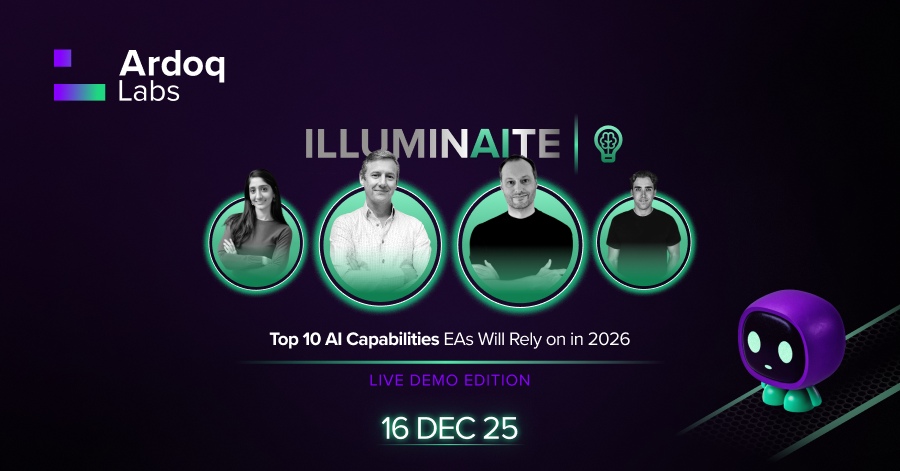
A fast-paced walkthrough of the 10 AI capabilities every EA should have in their toolkit, from AI-assisted modeling and diagram-to-data automation through to agent governance and next-generation search.
Architecture data has gaps you don't know about yet. The Foundation Insights Agent runs continuously, flags quality issues before they become incidents, and tells your team what to look at next. Nothing changes in your live data without human approval.
AI agents are proliferating faster than most EA teams can track. This piece covers how to surface and map AI systems your organization is running, including the ones nobody told you about, using Ardoq's AI agent discovery capabilities.
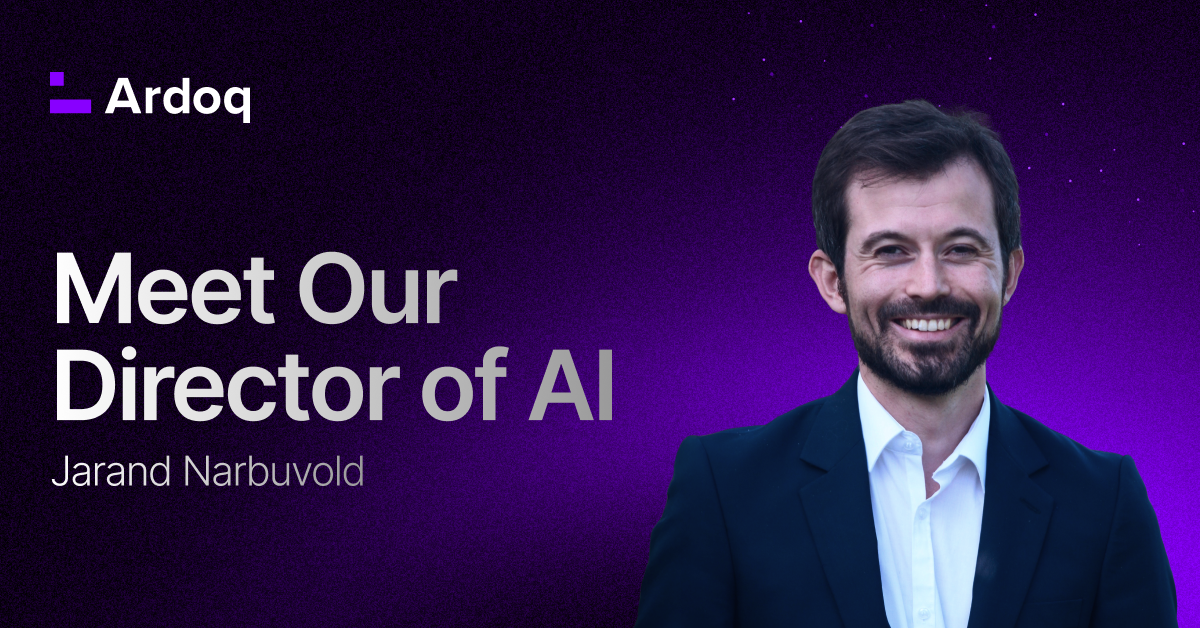
Why we hired a Director of AI, what the role means for the product roadmap, and how Ardoq is thinking about AI investment at the leadership level.
Semantic search, the AI Visual Importer, conversational architecture insights via the Discover Experience. Covers everything Ardoq shipped in Q1 2026 and what it means for EA teams in practice.
Where the Q1 AI Roundup covers the features, this piece covers the strategic context: what the shift to decision intelligence means for how EA teams position themselves and demonstrate value to the business.
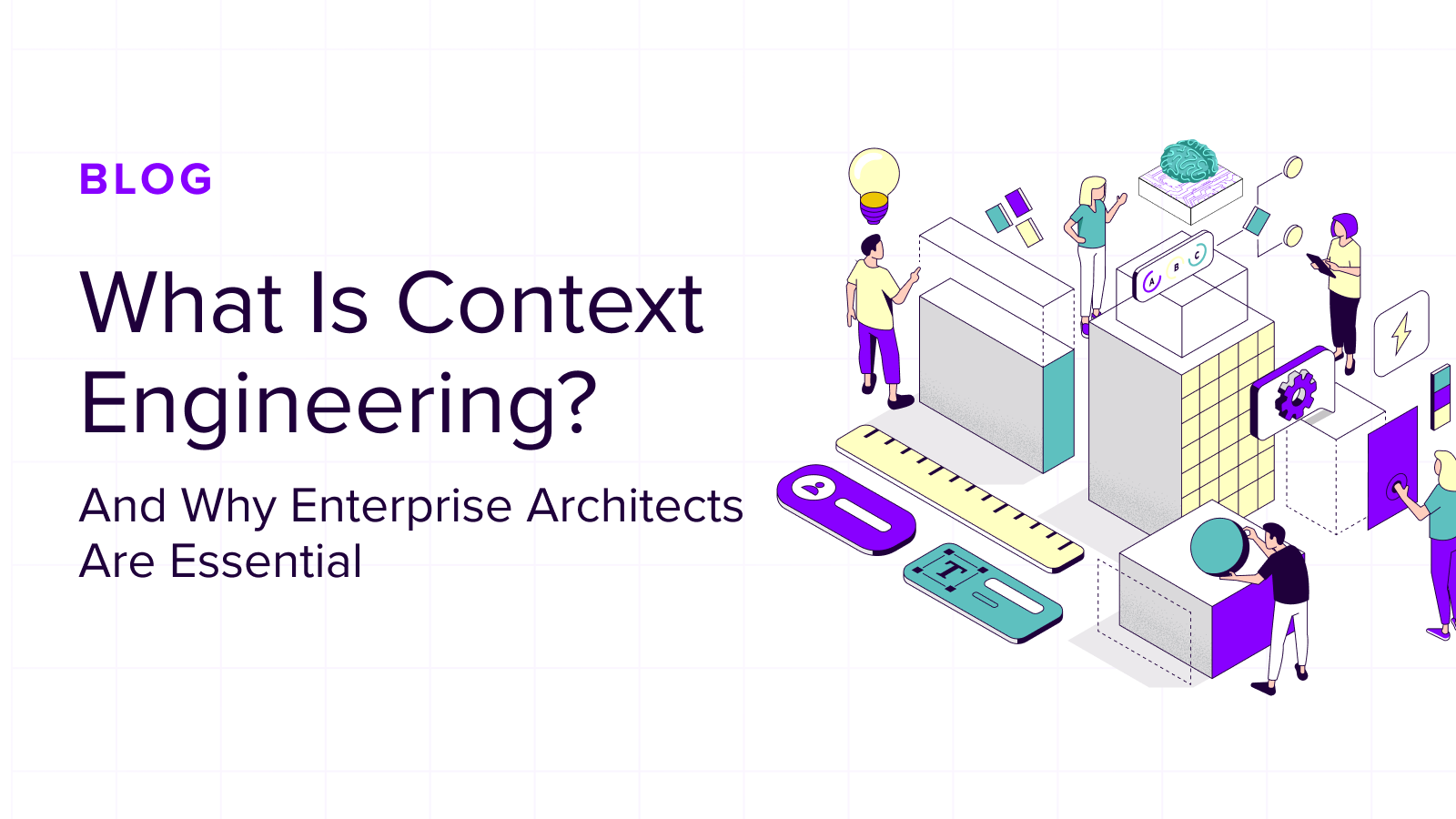
With the launch of MCP, there's a new skill EA teams need. This piece makes the case that EA teams already have the raw material, structured and connected architecture data, that makes AI agents actually work. What's needed now is knowing how to use it.
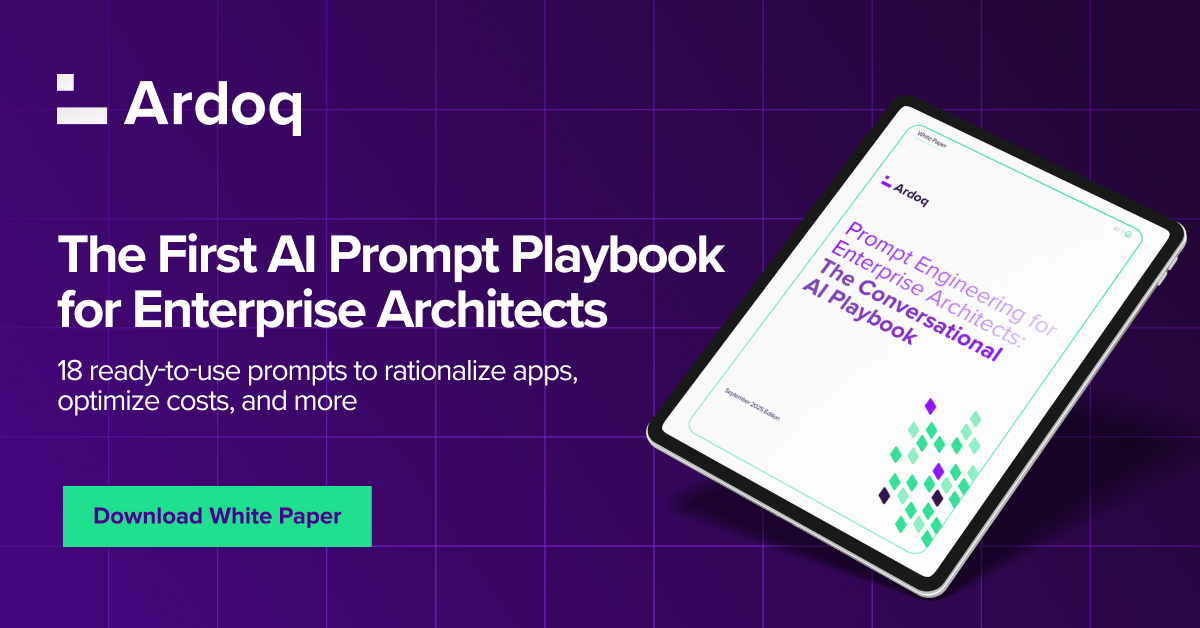
18 ready-to-use prompts across six high-impact EA use cases, application rationalization, risk assessment, and more. Built for EAs and CIOs who want practical prompts they can use today, not another framework to read about.
A five-part blog series written by Enterprise Architects, covering how generative AI is empowering EAs to model the enterprise, roadmap future architecture, and spend more time driving business outcomes.
This roundup covers the governance tooling, guided workflows, and growth features that shipped in Q4 2025, the building blocks that made everything in 2026 possible.
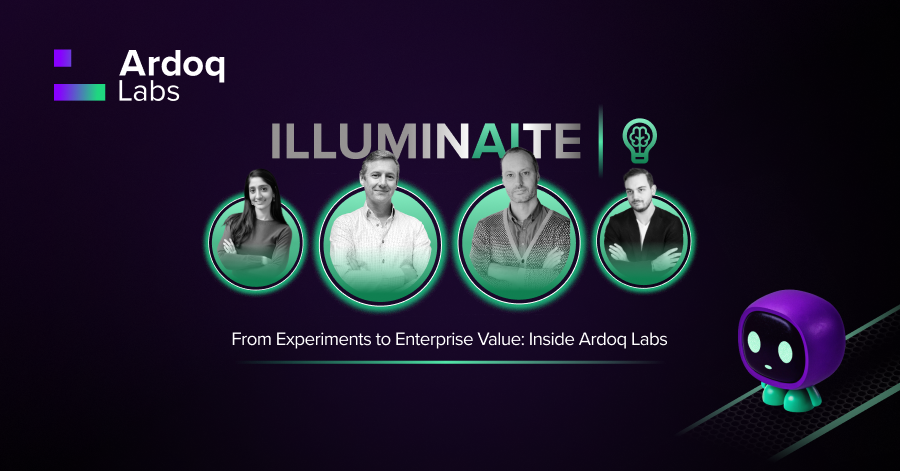
Mario Ek Aparicio, Nathan Hope, Ashima Bhatt, and Jason Baragry walk through the AI prototypes that became production features: AI Visual Importer, Conversational AI, and context engineering. See how Ardoq's AI capabilities are built and where they're heading.
How Ardoq approaches AI development: the commitments on transparency, accuracy, and responsible deployment that sit behind every capability on this page.
/Photos/Customers/SmartestEnergy/smartestenergy%20logo%20small-1.png)

"EA can champion AI use cases that deliver true value to the business and our customers, driving meaningful change. By establishing a common vocabulary...we can then effectively leverage AI to make the right decisions."Watch Video Read Customer Story
AI projects are multiplying, and so is the risk. EA teams are uniquely positioned to govern AI adoption across the organization, ensuring investments are visible, risks are assessed, and compliance is built in before it becomes a crisis.
Practical advice and insights into how EA teams can get visibility into where AI is being deployed across the organization, assess risk, track compliance, and put the right controls in place.
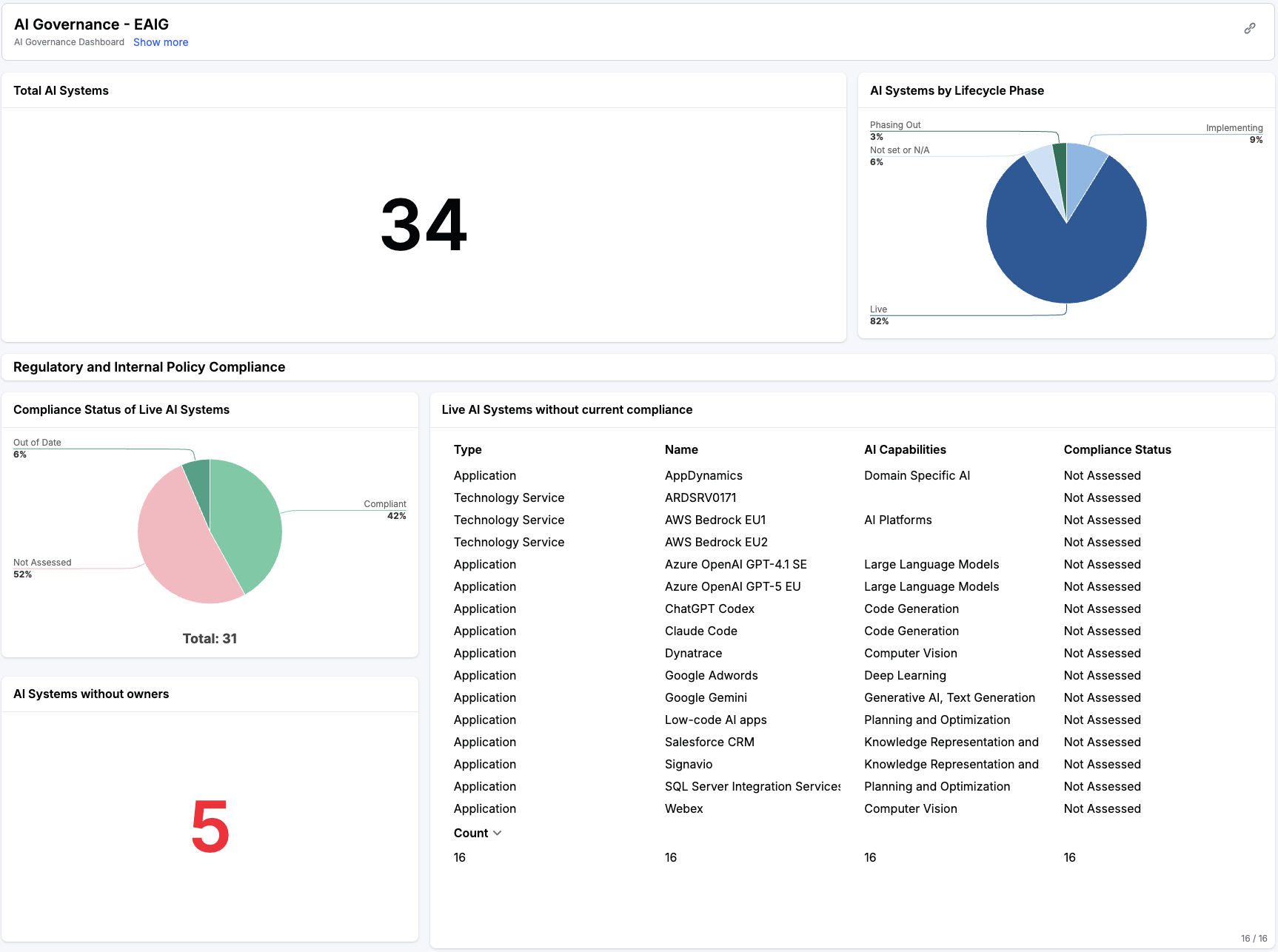
The five dashboards EA teams need to track AI system inventory, assess risk exposure, monitor compliance status, and report to leadership.
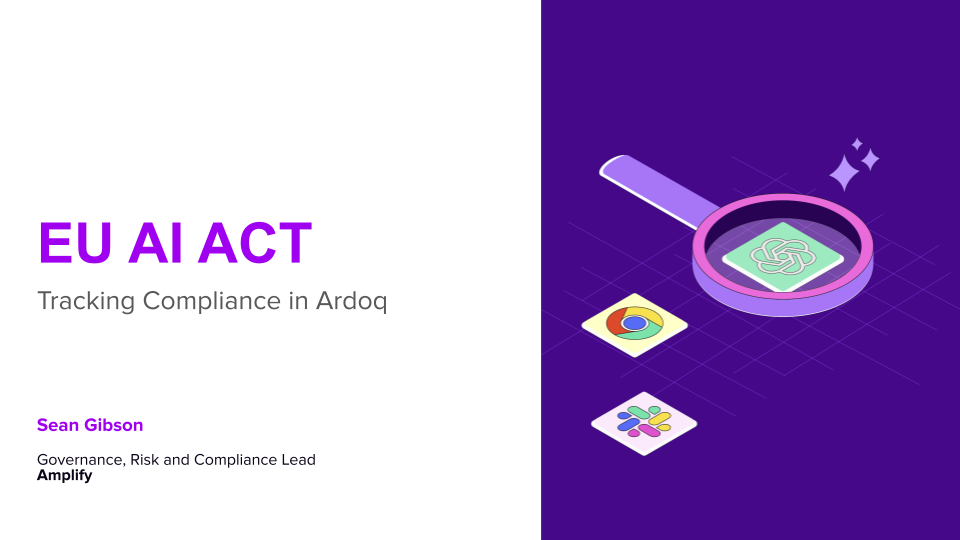
How to govern AI systems across data, architecture, and operations without slowing innovation. This session covers Ardoq's AI Governance Solution: identifying and classifying AI systems, running health checks, and aligning to frameworks including the EU AI Act.
.webp)
A 30-minute session on why AI governance is as urgent as cybersecurity right now, and how to turn AI risk into a strategic advantage rather than a compliance headache.
/Logos/Ardoq/Events/Jumpstart/february-on-demand-ea-webinar.jpg)
Simon Field and Anastasia Titova demonstrate how EA teams can use Ardoq's AI Lens as the control plane for governing AI agents and systems across the organization: inventory, risk assessment, compliance tracking, and oversight in one place.
Senior Enterprise Architect Simon Field's seven-step framework for focusing AI investments where they'll have the biggest impact, minimizing risk, and accelerating project execution.
In this external article published for news platform Unite.AI, Ardoq CRO Bryan Zeman explains how Enterprise Architecture can support organizational AI usage by providing insight into IT spend, breaking down information silos, and reducing compliance risk.
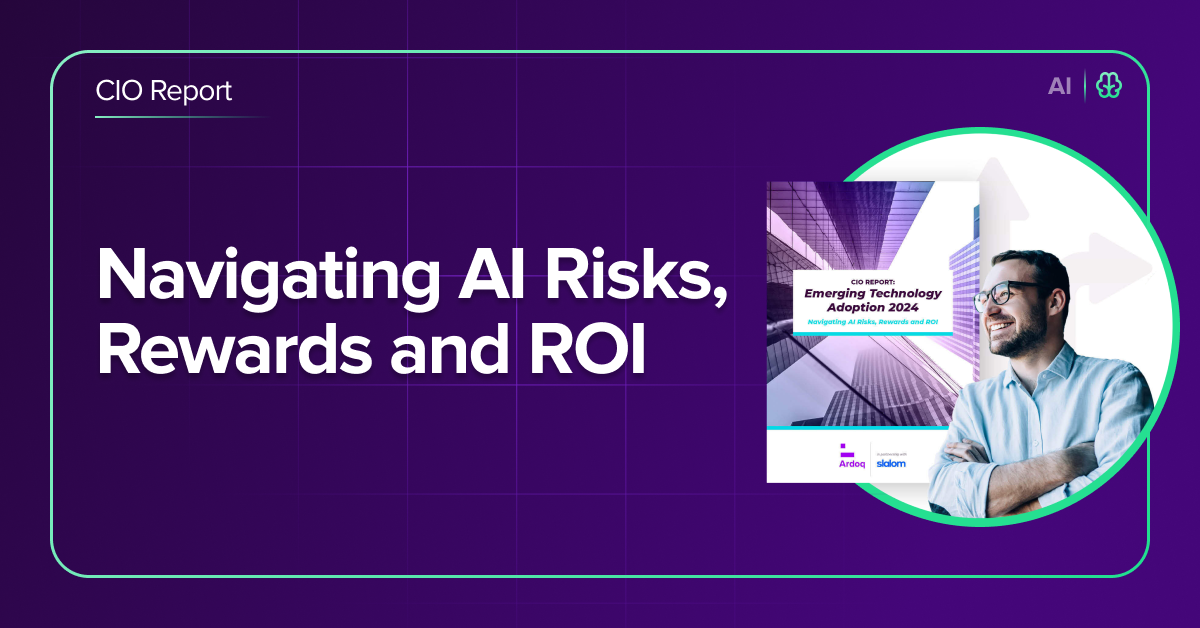
Without a systematic approach aligned to specific goals, organizations are failing to get the value they expect from AI investments. This report covers the key obstacles and how to move past them.
How EA teams move from architectural insight to measurable business outcomes, using an AI-powered digital twin to track and accelerate KPIs across the organization. The strategic closer for anyone who's read the governance content and wants to know what good looks like in practice.